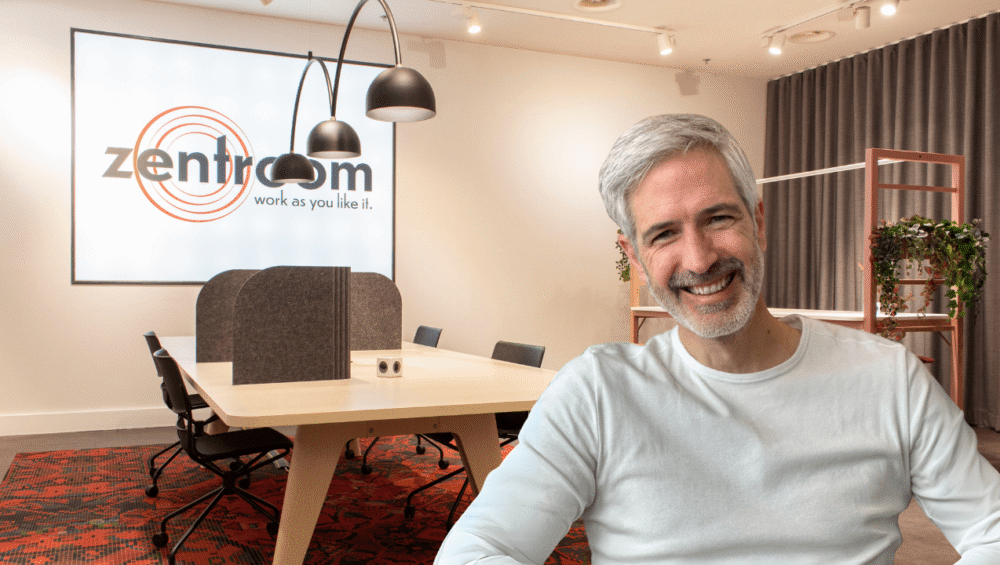
Du hast das Pilotprojekt work per minute geleitet, Michael. Erklär nochmals kurz, um was es dabei ging?
Wir waren hier mit zwei Fragestellungen konfrontiert: Erstens, ob leerstehende Verkaufsflächen im Bahnhof für kurzfristiges Arbeiten zwischengenutzt werden können. Und zweitens, ob ein solches Konzept wirtschaftlich tragfähig ist, also ob genügend Nutzer bereit wären, dafür zu zahlen, trotz der Konkurrenz durch kostenlose Alternativen wie Cafés.
Angedacht war ein niederschwelliges, automatisiertes Angebot zu schaffen, welches den Zutritt ohne Registrierung erlaubt. Es sollte den Nutzern die Möglichkeit geben, die Zeiten vor, zwischen oder nach Terminen effizient und in einem auf ihre Bedürfnisse ausgerichteten Umfeld zu nutzen.
Wie ist die Idee für das Pilotprojekt entstanden? Wer oder was hat den Anstoss gegeben?
Im Team bestand die Idee schon länger, eine Verkaufsfläche im Bahnhof Pop-Up mässig als Schaufenster für unsere Coworking Dienstleistungen zu nutzen. Als wir von Seiten SBB Immobilien die Anfrage erhielten, ob wir Interesse hätten, ein Drop-In Angebot im Bahnhof Bern zu entwickeln und zu betreiben, fiel diese bei uns auf fruchtbaren Boden.
Wie sah der Start des Projekts aus? Was waren die ersten Schritte und Herausforderungen?
Spannend und herausfordernd war es, die richtigen Parteien für das Projekt zu finden, sie von der Projektidee zu überzeugen
und mit ihnen gemeinsam zielführende und tragbare Lösungen zu finden. Immer vor dem Hintergrund, dass es sich um ein zeitlich beschränktes, mit klarem Budgetrahmen versehenes Pilotprojekt handelte, dessen Ziel klar formuliert war.
Was hat besonders gut funktioniert? Und welche unerwarteten Herausforderungen sind aufgetreten?
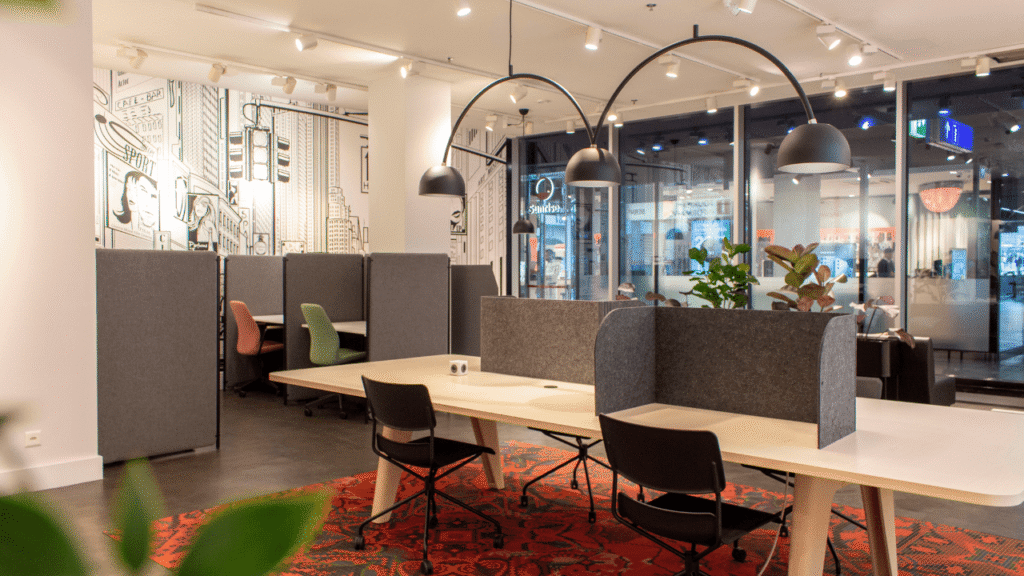
Die Zusammenarbeit mit unserem Möbelpartner Kinnarps war bemerkenswert: sie waren ab dem ersten Gespräch vom Projekt überzeugt und haben mit ihrer Bereitschaft, hochwertige und ästhetisch schöne Möbel zu liefern und die Verantwortung für das Raumdesign zu übernehmen, wesentlich zum Projekt beigetragen.
Die grösste Herausforderung war die Zutrittsanlage. Da es keine solche Lösung in der Schweiz gab, mussten Systemkomponenten verschiedener Hersteller zusammengeführt und als ein System zum Funktionieren gebracht werden. Das brachte viele technische Herausforderungen mit sich, die wir geduldig, mit Unterstützung der Hersteller, eine nach der anderen abgearbeitet haben.
Gab es Feedback oder Reaktionen von der Community, den Kunden oder Partnern? Wie haben diese das Projekt beeinflusst?
Ja, wir haben im work per minute beispielsweise zwei verschiedene WLAN-Netzwerke bereitgestellt: ein Gäste-WLAN mit SMS-Authentifizierung und ein Coworking-WLAN, das sich automatisch mit den Geräten bestehender Coworker verband. Da sich die Fläche im Erdgeschoss des Bahnhofs Bern befand, kam es gelegentlich vor, dass Coworker beim Vorbeilaufen ungewollt eingecheckt und ein Zeitpass kostenpflichtig abgebucht wurde. Dieses Problem haben wir entsprechend korrigiert.
Die Rückmeldungen waren insgesamt sehr positiv. Besonders geschätzt wurde der einfache und innovative Zugang sowie die ansprechende Einrichtung, die zum kurzen Verweilen einlud. Zudem äusserten viele den Wunsch, dass ein solcher Ort auch an anderen grossen Bahnhöfen in der Schweiz verfügbar sein sollte.
Warum haben wir uns entschieden, das Pilotprojekt einzustellen? Welche Faktoren haben dazu geführt?
Es handelte sich bei dem Projekt von Anfang an um ein zeitlich begrenztes Projekt, mit einer Verlängerungsoption. Die Frage lautet eher, warum wir uns entschieden haben, das Projekt nicht weiterzuführen. Und darauf lautet die Antwort: Wir konnten während der Pilotphase viele Erkenntnisse sammeln und Erfahrungen machen. Unsere Projektziele haben wir erreicht. Ein Beenden des Projektes war schlüssig und richtig.
Wie wird die Entscheidung im Umfeld von zentroom wahrgenommen?
Da wir unsere Ziele und Absichten immer sehr klar (Stichwort «Transparenz») kommuniziert haben, war der Entscheid, das Projekt nicht weiterzuführen, für keinen der involvierten Parteien eine Überraschung. Der Entscheid wurde in seiner Konsequenz als mutig, nachvollziehbar und richtig empfunden.
Was waren die grössten Erkenntnisse aus dem Projekt – für dich persönlich und für das Team?
Für mich, wie auch für das Team, war der Moment im Kick-Off Meeting, als wir das Projektziel, bzw. die Projektziele definiert haben ein Wendepunkt: durch die richtige Formulierung der Ziele, konnten wir sicherstellen, dass das Projekt nicht in einer «Niederlage» bzw. einem Versagen enden würde. Das war für uns eine zentrale Einsicht.
Welche konkreten Elemente aus dem Pilotprojekt sollen nach Projektende in zukünftige Ideen oder Projekte integriert werden?
Wir haben mit Kinnarps noch während des Betriebes von work per minute mit der Planung begonnen, wie das Mobiliar nach Projektende im zentroom eingesetzt werden könnte. Damit konnten wir sicherstellen, dass die besten und beliebtesten Elemente bei uns im Coworking Space weiter genutzt und geschätzt werden können.
Welche Rolle spielt ein solches Projekt in der Weiterentwicklung unseres Coworking Space und in Bezug auf unseren Purpose?
Das Projekt hat uns geholfen unsere Marke nach aussen hin sichtbarer zu machen und zu stärken. Zudem hat es uns aufgezeigt, dass wir an einer automatisierten Lösung nicht interessiert sind, da wir überzeugt sind, dass die menschliche Komponente, der zentrale Erfolgsfaktor für unser Coworking Modell ist.
Was nimmst du persönlich aus diesem Projekt mit? Hat es deine Perspektive auf deine Arbeit oder unseren Coworking Space verändert?
Das Projekt hat mir bestätigt, was ich in vielen Projekten erlebt habe: gesunde und starke Beziehungen sind zentral für eine erfolgreiche Durchführung. Gute Beziehungen entstehen nicht über Nacht und nicht aus einer egoistischen Motivation heraus entstehen. Sie müssen langfristig gepflegt werden und basieren auf gegenseitigem Vertrauen.
Daher möchte ich nochmals meinen Dank aussprechen, der an alle geht, die das Projekt ermöglicht haben und uns in der erfolgreichen Umsetzung unterstützt haben.